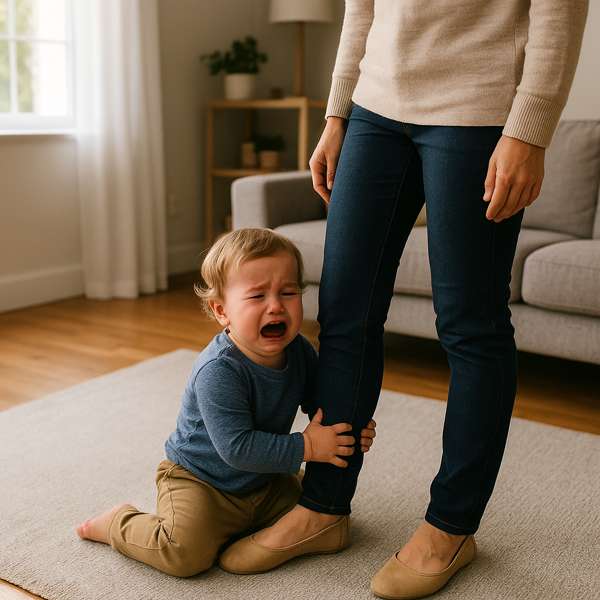
It is most often associated with infants, but adults can experience it too.
With the right strategies, separation anxiety can be managed with care and patience.
What Is Separation Anxiety?
It often appears in childhood but can also occur in adults due to relationship stress.
Typical signs include:
- Crying or panic during separation
- Reluctance to leave home
- Stomachaches when thinking about separation
What Triggers Separation Anxiety
Knowing the root can help in building coping mechanisms.
Possible triggers are:
- Starting school or daycare
- Past trauma or loss
- Lack of independence training
- Genetic predisposition
Identifying Separation Anxiety
Recognizing it early is especially important in children.
Early warning signs may include:
- Difficulty being alone even for short periods
- Fear of losing a parent
- Clinging during bedtime or departures
Tips for Parents
Supporting children through separation anxiety requires consistent parenting and empathy.
Techniques for easing child anxiety:
- Use calming phrases and routines
- Start with short separations
- Let them play solo at home
- here Always inform them before leaving
Tips for Adults Facing It
It's important not to ignore the symptoms and seek help, self-awareness, or therapeutic tools.
Coping methods include:
- Talking to a mental health professional
- Using relaxation techniques
- Reaching out to friends and family
- Reframing your mindset
Getting the Right Support
Professional guidance can make a significant difference.
Signs it’s time to talk to a specialist:
- Persistent, intense fear of separation
- Physical health issues linked to anxiety
- Avoidance of essential tasks
Final Thoughts on Separation Anxiety
With help from loved ones or professionals, people of all ages can learn to feel more secure.
Don’t be afraid to ask for help.